Understanding Luck and Skill in Casino Games
When it comes to casino gaming, the concept of luck is often romanticized, giving players the impression that their fortunes are determined solely by chance. While luck indeed plays a significant role in many games, particularly those based on random outcomes like slots, there are instances where skill can make a considerable difference. For example, in games like poker and blackjack, strategic decision-making and a deep understanding of the rules can enhance a player’s chances of winning, reducing the reliance on mere luck. Players who master these games can employ tactics that not only increase their odds but also offer them a competitive edge over less experienced opponents, especially when they explore options at australia online casino to practice their skills.
Moreover, the psychology behind luck can heavily influence a player’s experience at a casino. Gamblers often fall into the trap of believing in “lucky streaks” or “unlucky days,” attributing their wins or losses to supernatural forces rather than their own decisions or statistical probabilities. Such belief systems can significantly affect gameplay, sometimes leading to irrational betting patterns based on recent victories or defeats. Recognizing the interplay between luck and skill can help players approach their gaming experience with a balanced mindset, making them more aware of their actions and the game’s mechanics.
In essence, while luck is a component of casino gaming, particularly in games of chance, it is crucial to recognize the power of skill and strategy. Understanding this distinction not only helps players make informed decisions but also fosters a healthier relationship with gambling. By acknowledging that skill can influence outcomes, players can engage in more responsible gaming practices and mitigate the risks associated with excessive gambling fueled by misconceptions about luck.
The Role of Randomness in Casino Games
Randomness is a fundamental principle that underpins the mechanics of most casino games. Slot machines, for instance, use random number generators (RNGs) to determine outcomes, ensuring that each spin is independent and unpredictable. This unpredictability can often lead players to believe that winning is a matter of luck, when in reality, it is a product of complex algorithms designed to create a fair and random playing field. Understanding the mechanics behind these games can demystify the notion of luck and encourage players to think critically about their gaming choices, rather than relying solely on fortuitous outcomes.
Additionally, randomness creates a level playing field, where every player has an equal chance of winning, regardless of their experience level. This aspect contributes to the allure of casinos, as newcomers and seasoned gamblers alike are drawn in by the potential for substantial payouts. However, this doesn’t mean that players should solely rely on luck; it is important to approach gaming with an informed perspective, understanding the odds and probabilities associated with each game. Knowledge of these factors can empower players to make better choices, enhancing their overall experience.
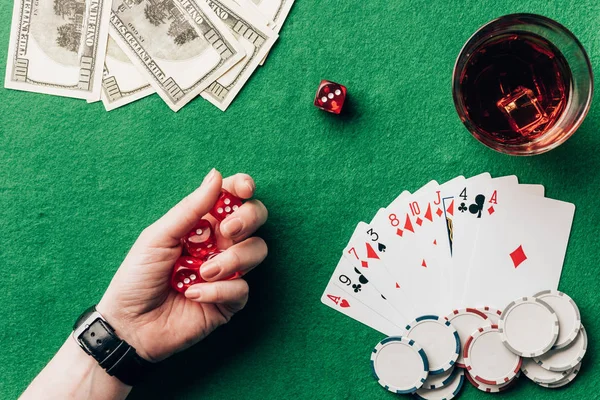
The notion of randomness also extends to table games, where the element of chance coexists with player decisions. For example, in games such as roulette, while the outcome is random, players can employ various betting strategies to manage their stakes and potentially increase their chances of winning. This interplay between randomness and strategy underscores the importance of understanding the game mechanics, as doing so can empower players to navigate their gaming experience more effectively. By recognizing that while luck is a factor, informed strategies can lead to more favorable outcomes, players can enjoy a more fulfilling gaming journey.
Common Myths About Luck in Gambling
Many myths surround the concept of luck in gambling, often misleading players into making uninformed choices. One prevalent myth is the belief that players can “hot” or “cold” machines or tables, based on previous outcomes. This fallacy suggests that past events can influence future results in random-based games, which contradicts the principle of independence in random number generation. Players may find themselves chasing after what they perceive as a hot machine, only to be disappointed when their expectations don’t align with reality. Understanding that each game is an independent event can save players from falling into this common trap.
Another common myth is that certain rituals or superstitions can influence luck. Whether it’s wearing a lucky shirt, performing a specific gesture before placing a bet, or avoiding certain numbers, these beliefs can create an illusion of control for players. While engaging in such rituals can be fun and enhance the gaming experience, it’s crucial to understand that they do not have any actual bearing on the outcome of games. Recognizing the distinction between superstition and reality can lead to a more rational approach to gambling, allowing players to focus on strategies that genuinely impact their game.
Lastly, the misconception that a player can improve their chances by playing longer or investing more money is also widespread. Many believe that the more one plays, the more likely they are to win, which can lead to excessive gambling behavior. In reality, the house edge remains constant, and the odds are always in favor of the casino in the long run. Players must be mindful of their gambling habits and understand that luck does not necessarily increase with time or monetary investment. This awareness can help players set realistic expectations, contributing to a more enjoyable and responsible gaming experience.
The Psychological Aspects of Luck in Casino Gaming
The perception of luck in casino gaming is heavily influenced by psychological factors that affect decision-making and behaviors among gamblers. Cognitive biases, such as the illusion of control, can lead players to believe they have more influence over game outcomes than they actually do. For example, a player may assume they can control the spin of a slot machine or predict a card’s outcome in blackjack, resulting in a misguided sense of confidence that is not supported by the random nature of these games. Acknowledging these cognitive biases can help players better understand their motivations and make more rational decisions.

Additionally, the concept of loss aversion plays a significant role in gambling psychology. Players often have a stronger emotional response to losses than to equivalent gains, which can fuel a desire to win back lost money. This phenomenon can lead to risky betting behaviors, where individuals continue to gamble in hopes of recovering losses rather than making rational decisions based on their understanding of the game and its probabilities. Addressing this psychological aspect is essential to developing a healthier relationship with gambling, enabling players to recognize when they are making decisions based on emotion rather than logic.
Moreover, understanding the psychological triggers that drive gambling behaviors can help players recognize when they are falling prey to myths surrounding luck. Awareness of these triggers can empower individuals to make more informed choices and establish responsible gambling habits. By focusing on the experience rather than solely on the outcomes, players can enjoy the thrill of gaming without succumbing to the dangers of damaging gambling beliefs. This approach not only enhances enjoyment but also promotes longevity in gaming without negative consequences.
Exploring More About Casino Gaming and Luck
If you’re seeking to deepen your understanding of the complexities of luck in casino gaming, exploring various resources can be incredibly beneficial. Many online articles, forums, and educational platforms provide valuable insights into the mechanics of casino games, the interplay between luck and skill, and the psychological factors involved in gambling. Engaging with these resources can help dispel myths and equip players with the knowledge needed to make informed decisions about their gaming choices.
Additionally, joining gaming communities and discussions can offer firsthand experiences and diverse perspectives on casino gaming. Conversations with fellow enthusiasts can provide a more rounded understanding of the gaming landscape, opening up opportunities for learning and personal growth. This collaborative approach can further enhance one’s enjoyment of casino gaming while fostering a responsible mindset. By sharing strategies and experiences, players can collectively improve their understanding of how luck and skill interact in various games.
Ultimately, understanding the myths surrounding luck in casino gaming is crucial for anyone interested in exploring this thrilling world. By recognizing the blend of chance and strategy, as well as the psychology behind gambling, players can approach their gaming experiences with confidence and a more realistic outlook. This awareness not only enriches the gaming experience but also helps players develop sustainable practices that can lead to long-term enjoyment and success in the casino environment.